

As Uganda waits for President Museveni to unveil his new Cabinet, political anticipation is building across the country, with different regions closely watching whether loyalty, electoral performance, experience, or regional balancing will shape the next line-up of ministers.
In the Rwenzori sub-region, however, the conversation carries deeper political meaning.
For many leaders and ordinary residents in Kasese and Bundibugyo, the coming Cabinet appointments are not merely about jobs or titles. They are increasingly being viewed as a moment of political reward for a region that has gradually shifted from being one of Uganda’s fiercest Opposition strongholds into an area showing growing cooperation with the ruling National Resistance Movement (NRM).
For years, Kasese symbolised resistance politics against the NRM government. Opposition parties dominated elections, anti-government sentiment was widespread, and the region often found itself in tense confrontations with the State.
That difficult relationship reached its peak during the November 2016 clashes involving security forces and guards attached to the Obusinga Bwa Rwenzururu palace in Kasese.
The violence left scores dead and culminated in the arrest of King Charles Wesley Mumbere, who was later detained at the then-dreaded Nalufenya facility in Jinja.
At the time, political relations between the central government and sections of the Rwenzori population had significantly deteriorated. Mistrust defined the atmosphere, while insecurity, ethnic tensions, and fears of rebellion dominated national discussions surrounding the region.
Today, however, the political picture has changed remarkably.
The NRM has steadily expanded its influence in Kasese and parts of Bundibugyo. Government programmes and infrastructure projects have increased visibility, while some influential local politicians have played a critical role in rebuilding trust between the State and communities that once viewed the ruling party with suspicion.
For many political observers, this transformation is exactly why the Rwenzori region now believes its time for stronger Cabinet representation has finally arrived.
President Museveni has over the years repeatedly argued that areas which reject the NRM should not expect equal government attention compared to those that support the ruling party.
Although critics have often condemned such remarks as divisive, supporters within the ruling establishment see them as a political reality tied to cooperation with government.
In Rwenzori, many now argue that the region has demonstrated enough political goodwill to deserve a bigger seat at the national table.
Comparisons are increasingly being drawn with the Teso sub-region, which has consistently voted overwhelmingly for the NRM and has historically enjoyed strong Cabinet representation and strategic government appointments.
Political commentators in Rwenzori say that if loyalty and political partnership are rewarded nationally, then Kasese and Bundibugyo are justified to hold out their bowl for more servings from Museveni’s Cabinet kitchen.
But beyond politics, the region’s demands are also grounded in practical realities.
Rwenzori continues to face enormous social and economic challenges that many residents believe require stronger voices at Cabinet level.
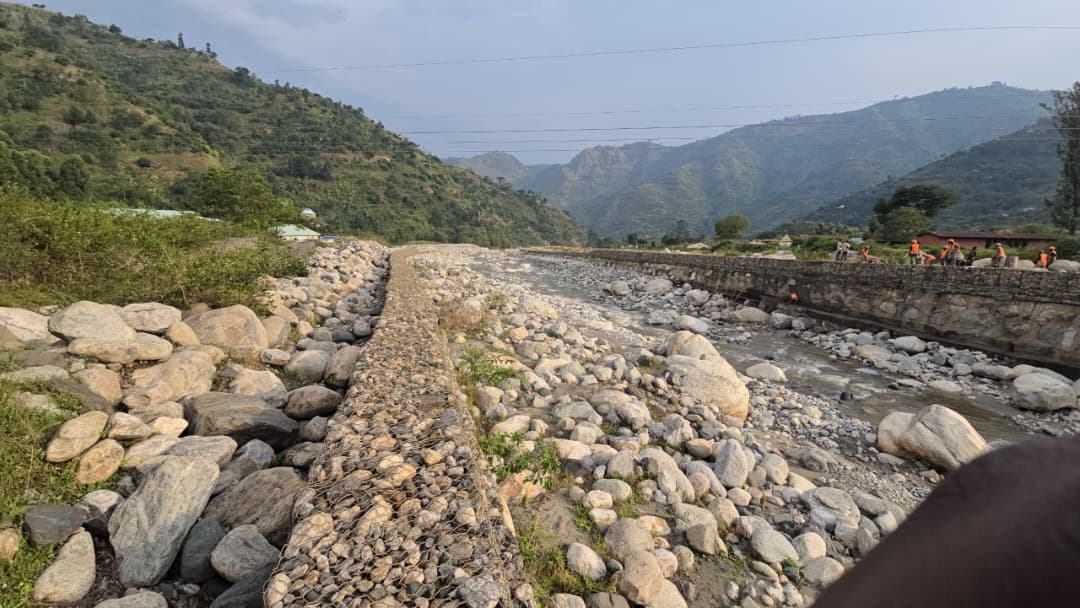
One of the most urgent concerns remains the persistent flooding caused by River Nyamwamba in Kasese. For years, the river has repeatedly burst its banks, destroying homes, roads, bridges, schools, and livelihoods.
Entire communities have been displaced multiple times, while residents often accuse government interventions of being reactive rather than permanent.
Many local leaders believe influential ministers from the region could help fast-track comprehensive flood control measures, disaster preparedness funding, compensation programmes, and long-term environmental management solutions.
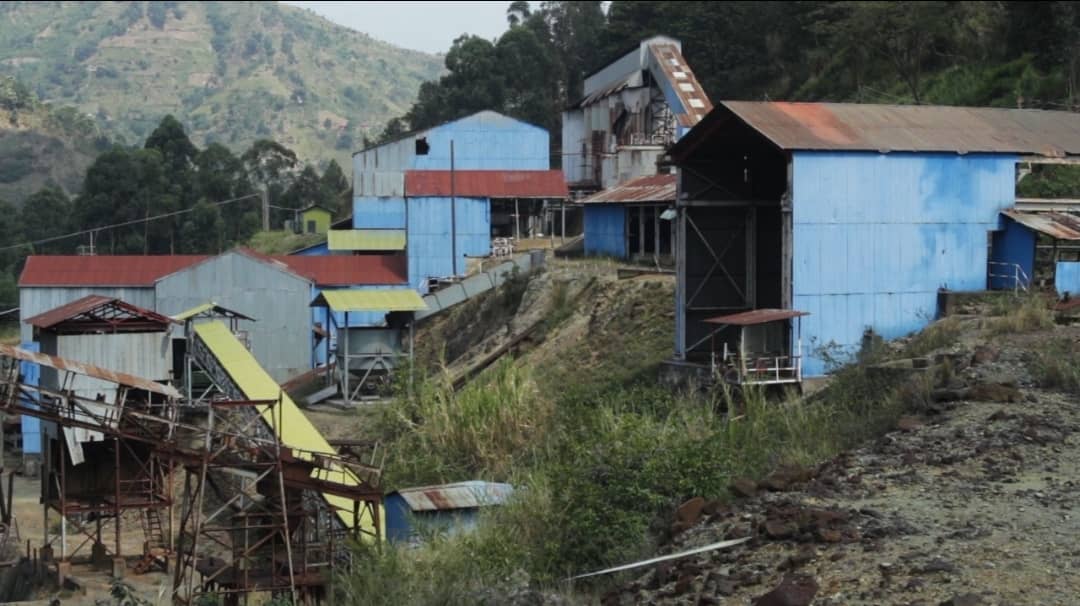
Another emotionally charged issue remains the stalled revival of Kilembe Mines.
Once one of Uganda’s leading industrial and mining centres, Kilembe Mines represented hope and employment for thousands of families in Kasese and neighbouring districts. However, years of collapse, abandoned revival plans, and investor uncertainty have left residents frustrated.
The planned revival of Kilembe Mines has in recent years moved beyond ordinary political promises into actual state-backed negotiations and signed redevelopment agreements, making it one of the biggest economic expectations in the Rwenzori region.
In March 2025, government signed Uganda’s first-ever Mineral Production Sharing Agreement (MPSA) with Sarrai Group Limited and Nile Fibreboard Limited following a competitive process involving 14 firms seeking rights to redevelop the historic copper and cobalt mine.
The agreement, signed by Energy Minister Ruth Nankabirwa and Finance Minister Matia Kasaija among other officials, effectively handed the investors responsibility to revive mining operations that collapsed in 1982.
The redevelopment is expected to restore copper cathode and cobalt production at a mine estimated to hold millions of tonnes of copper ore deposits, with government positioning the project as strategically important within the global clean energy transition where cobalt and copper are increasingly in demand for electric batteries and industrial manufacturing.
Under the arrangement, the Uganda National Mining Company (UNMC) retained a 15 percent stake, signalling government’s intention to maintain direct participation in the project rather than leave the mines entirely under private control.
But despite the breakthrough agreements, the revival process still faces major political and operational hurdles including land wrangles, decaying infrastructure, unresolved staffing questions, compensation concerns, and rehabilitation of abandoned assets previously linked to Tibet Hima Mining Company.
Physical handover of the mines only commenced in April and May 2025, nearly 43 years after operations collapsed, underlining the long and complicated journey surrounding the project.
This is why leaders in Kasese increasingly argue that stronger Cabinet representation from the Rwenzori sub-region is critical.
To many residents, Kilembe Mines is not simply about reopening a mine, but restoring an entire economic ecosystem that once supported thousands of workers, businesses, transport networks, schools, hospitals, and urban growth in Kasese.
Local political actors believe influential ministers from the region could help ensure the signed agreements translate into actual production, local employment, industrial revival, and infrastructure redevelopment instead of becoming yet another stalled government promise.
Many people in the region believe stronger Cabinet representation would increase pressure on government to prioritise the revival of the mines and restore economic activity in an area struggling with youth unemployment and poverty.
Security also remains a major political factor.
The Rwenzori sub-region has historically experienced instability linked to ethnic tensions, land conflicts, rebel activity, and cross-border insecurity involving eastern Democratic Republic of Congo.
The Allied Democratic Forces (ADF), which traces part of its origins to the region before relocating bases into Congo, remains one of the darkest chapters in Rwenzori’s history.
Although the situation has significantly improved over the years, fears surrounding insecurity still influence local politics. Leaders increasingly argue that stronger Cabinet representation would improve coordination between national security agencies and local communities while ensuring grievances are addressed before they escalate into violence.
Against this background, several political names continue to dominate conversations across the region.
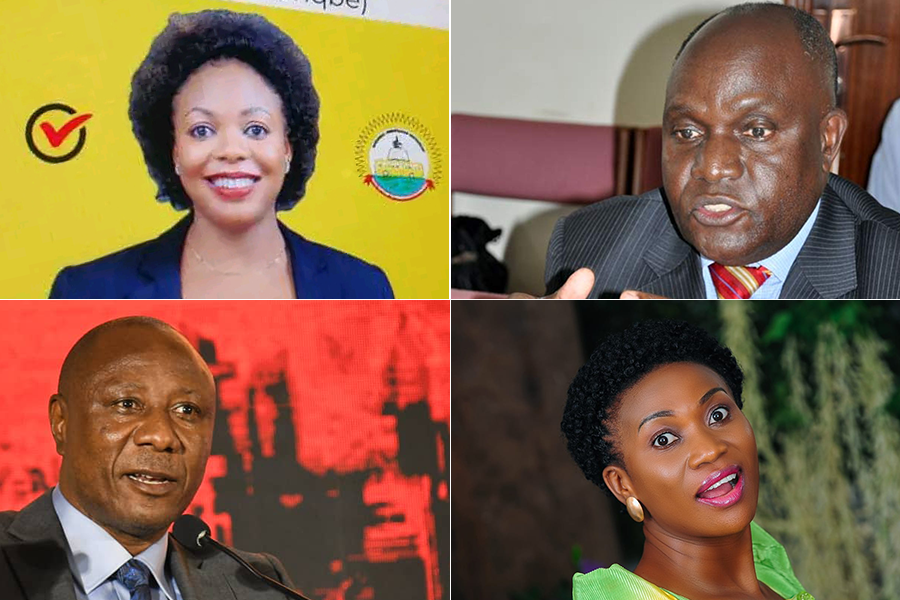
In Kasese district, veteran politician Crispus Kiyonga remains one of the most respected figures. Having served in several senior government positions over decades, Kiyonga is widely regarded as one of the region’s most experienced political minds.
His supporters argue that his long relationship with President Museveni, combined with his deep understanding of both government and Rwenzori politics, could still make him valuable in a new Cabinet arrangement.
Many also view him as a stabilising figure capable of bridging the historical tensions between the region and the central government.
Another influential figure is Godfrey Kabbyanga, whose political rise has been closely tied to the NRM’s growing acceptance within Kasese.
Supporters credit Kabbyanga with playing a central role in shifting political attitudes in areas that were once deeply hostile to the ruling party. His mobilisation strategies, direct engagement with ordinary people, and consistent grassroots presence have earned him strong support among NRM loyalists.
Many within the ruling establishment believe that retaining or elevating Kabbyanga would help consolidate the gains the NRM has made in the region over recent years.
Marilyn Kabugho is also increasingly emerging in political conversations surrounding possible Cabinet appointments.
As one of the most visible female politicians from Kasese, her inclusion would strengthen both regional and gender balancing within government.
Supporters point to her growing grassroots support and appeal among younger voters as factors that could work in her favour if the President opts to introduce newer faces into Cabinet.
In Bundibugyo District, however, political calculations are more delicate and heavily shaped by ethnic representation and historical grievances between Bwamba and Bughendera counties.
It is within this sensitive political environment that Donna Kamuli Kapalaya has increasingly emerged as one of the most discussed political figures.
For years, many Baamba voices in Bundibugyo have argued that major political opportunities and influence largely rotated around sections of the Babwisi political establishment, leaving many within the Amba community feeling politically underrepresented despite being central players in the district’s social and political fabric.
This frustration has quietly grown over time and has increasingly shaped political discussions in Bundibugyo.
To many supporters, Donna Kamuli Kapalaya represents more than an individual seeking political office or national recognition. Kapalaya’s emergence is viewed as part of a broader political awakening among communities that believe they have spent years watching others dominate leadership positions while their own voices remained largely symbolic within decision-making structures.
Supporters argue that for many years, some politicians successfully projected Baamba and Babwisi interests as one united political bloc while meaningful empowerment and representation for the Baamba community remained limited in practice.
As a proud Mwamba figure, Kapalaya has increasingly become associated with demands for fairness, recognition, and direct representation for communities that believe their concerns have historically been overshadowed.
Her growing political visibility has particularly resonated among younger voters and local opinion leaders who argue that Bundibugyo’s future political stability will partly depend on ensuring all communities feel genuinely represented within national leadership structures.
Local observers also argue that giving opportunities to emerging figures like Donna Kamuli could help reduce long-standing feelings of exclusion that have occasionally fuelled tensions within parts of Bundibugyo politics.
At the same time, established figures such as Harriet Ntabazi and Richard Gafabusa remain influential within Bwamba politics because of their longstanding experience and connections within the ruling establishment.
Meanwhile, in Bughendera County, political discussions continue to revolve around the enduring influence of Christopher Kibanzanga.
Popularly known as Prince Kibanzanga, he continues to command strong grassroots support among many Bakonzo communities. Supporters describe him as a fearless political mobiliser whose identity remains deeply tied to the aspirations of ordinary people in the mountains.
His royal connection to the Rwenzururu kingdom further strengthens his influence among sections of the population that strongly value cultural identity alongside political leadership.
Many supporters argue that during his years outside major national leadership spaces, Bughendera lost one of its boldest political voices at the centre of power. To them, Kibanzanga is not merely a politician but a symbol of pride, identity, and resistance for many ordinary people in the region.
As the country waits for the President’s final decision, one message is becoming increasingly clear across Rwenzori: the region no longer wants symbolic recognition alone.
Residents want leaders who can influence national policy, lobby for development projects, strengthen security coordination, revive local industries, address disaster management challenges, and ensure the region’s voice is consistently heard within the highest levels of government.
After years of political turbulence and gradual reconciliation with the State, many in Rwenzori believe their moment to move closer to the centre of national power may finally have arrived.
